The Red Tag Reality: Understanding Why Your Furnace Was Condemned
The Main Culprit: A Cracked Heat Exchanger
Receiving news that your furnace has been "condemned" or "red-tagged" can be alarming, especially during cold weather. However, this action is taken for one paramount reason: your safety and the safety of your family. A condemned furnace is no longer safe to operate, as it presents an immediate danger, most commonly the risk of carbon monoxide (CO) poisoning or a fire hazard.
Here is a breakdown of the primary reasons why a professional technician or utility company would condemn a furnace and what you need to know about this serious safety measure.
The Main Culprit: A Cracked Heat Exchanger
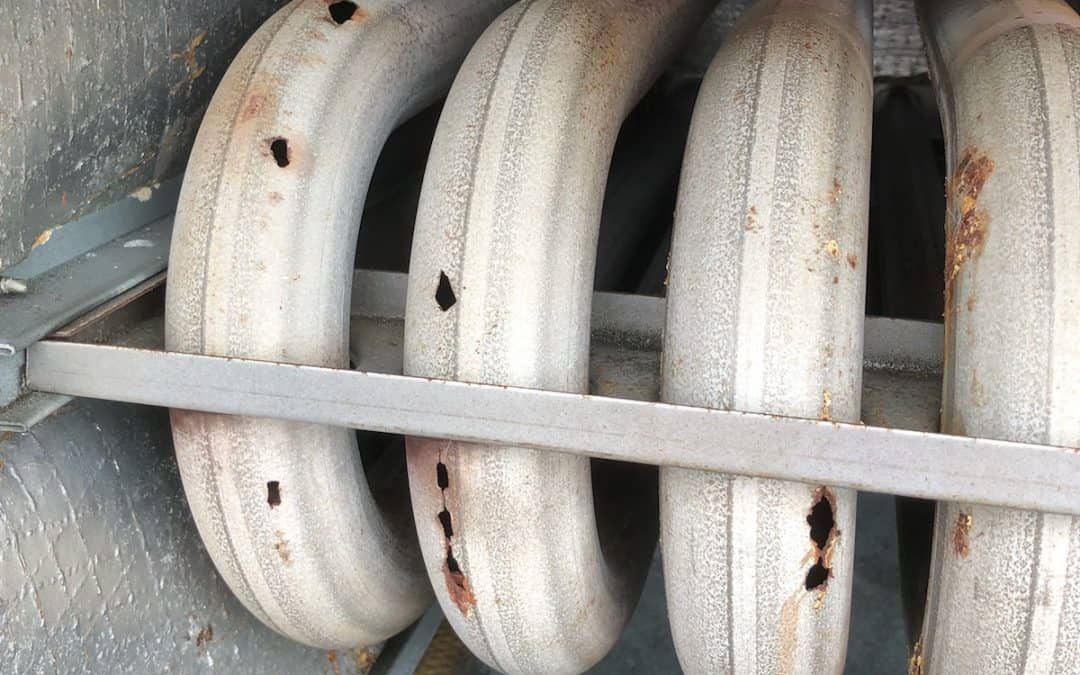
The most common reason for a furnace to be condemned is a cracked or damaged heat exchanger.
- The Function: The heat exchanger is a crucial, internal metal component that separates the toxic combustion gases (which contain carbon monoxide) from the clean, warm air that gets circulated into your home.
- The Danger: Over time, the constant heating and cooling cycle can cause the metal to expand and contract, leading to stress cracks and corrosion. If cracks form, these deadly, odorless, and colorless gases can leak into your home's ductwork, posing a severe, life-threatening risk of carbon monoxide poisoning.
- The Fix: A cracked heat exchanger cannot be simply patched. In many cases, replacing this component is so expensive that it makes more sense to replace the entire furnace.
Other Critical Safety Hazards
Besides a cracked heat exchanger, other severe issues can lead to a furnace being condemned and shut off by a professional:
- Gas Leaks: Any observable natural gas leak, whether from faulty valves, loose connections, or damaged piping, is an immediate fire and explosion hazard. Utility companies or HVAC technicians will shut off the gas supply instantly in such cases.
- Blocked or Failed Venting System: The furnace's venting or flue pipe system is designed to safely expel combustion byproducts to the outdoors. If this system is blocked by debris, rust, or improper installation, those harmful gases (including CO) can back up into your living space.
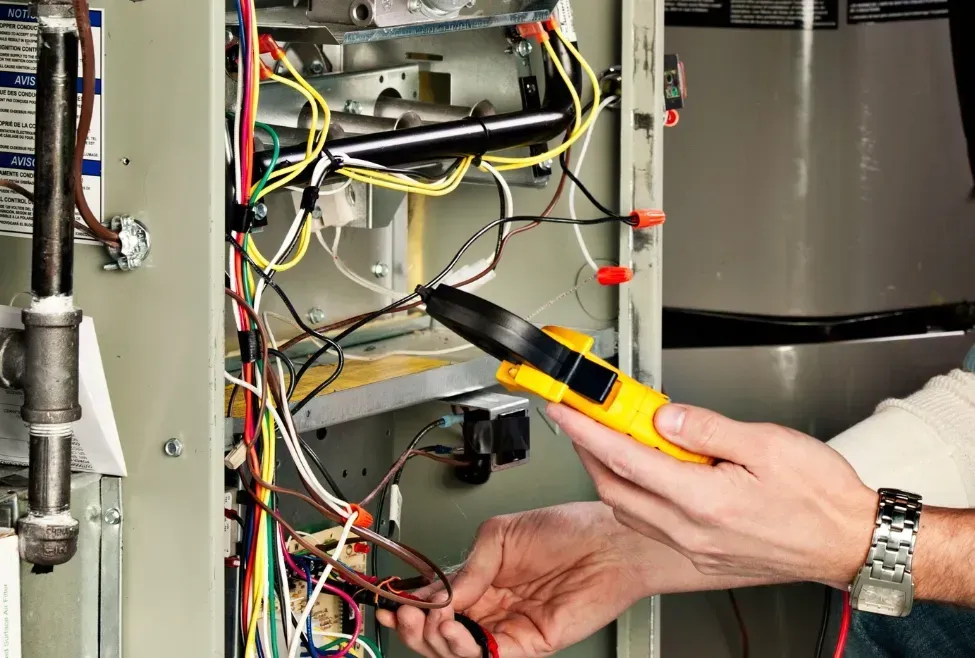
- Serious Electrical Issues: Frayed wires, corroded electrical components, or improper wiring can create a significant fire hazard.
- Improper Combustion: Issues with the burner, gas pressure, or air-to-fuel ratio can lead to incomplete combustion, which results in excessive carbon monoxide production. A yellow or flickering burner flame (instead of a steady blue flame) is a key visual sign of this problem.
What to Do Next
If your furnace has been condemned ("red-tagged"), the most important rule is DO NOT operate the system. The tag is a legal warning, and running the unit puts lives at risk.
- Prioritize Safety: Ensure your home has working carbon monoxide detectors on every level and check for physical symptoms of CO poisoning (headaches, dizziness, nausea).
- Get a Second Opinion (If Applicable): While immediate dangers must be addressed, some homeowners seek a second opinion from another licensed, non-commissioned HVAC professional to verify the diagnosis, especially if they suspect the issue might be repairable.
- Repair or Replace: Work with a qualified technician to determine the best course of action. If the furnace is old or the repair costs are significant, replacement is often the safest and most economical long-term solution.
- Follow Protocol: Ensure all required repairs are made and that the unit passes necessary inspections before it is turned back on.
Annual maintenance is the best way to prevent your furnace from becoming a safety hazard in the first place, allowing professionals to catch small issues before they become life-threatening problems.